
UV Lights & Lasers

Ultraviolet Blacklights & Laser Pens
Shop ultraviolet blacklights, UV laser pens and blacklight LED flood lights. UV lights are available at 365nm for UV resin curing. Use 395nm to 405nm wavelength lights for reflecting fluorescent powder, or instantly charge glow powders, and glow paints. UV lights can also be used to change the color of some of our photochromic pigments.
-
4 Size Packages


UV LED Keychain Lights
TechnoGlow
$1.75 - $49.95A compact ultraviolet key chain light features 1 LED UV light with an on/off switch. Can be used for a number of applications such as ID verification, identifying scorpions while embarking on desert expeditions, hotel sanitation checks, detecting...LGT-KEY-UVL$1.75 - $49.95 -
New 20243 Watt 365nm

UV LED Flashlight - 365nm
TechnoGlow
$13.95 - $547.50365nm UV LED 3 Watt Flashlight Our newest 3 watt UVA flashlight with a wavelength of 365 nm (nanometers) is particularly effective for charging glow-in-the-dark items and for exciting fluorescent materials. This wavelength tends to produce a more vivid...LGT-FUV-365$13.95 - $547.50 -
New 20243 Watt 395nm
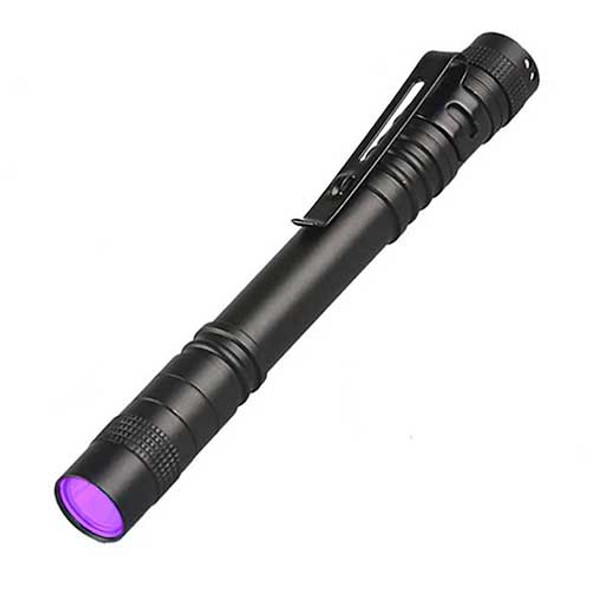
UV LED Flashlight - 395nm
TechnoGlow
$11.95 - $447.50395nm UV LED 3 Watt Flashlight Our newest 3 watt UVA flashlight with a wavelength of 395 nm (nanometers) is particularly effective for charging glow-in-the-dark items and for exciting certain fluorescent materials. Click here to view our 365 nm...LGT-FUV-395$11.95 - $447.50 -
1mw
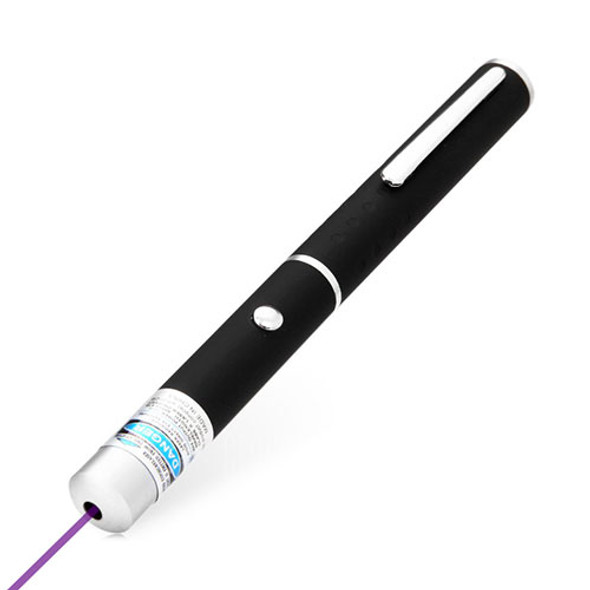
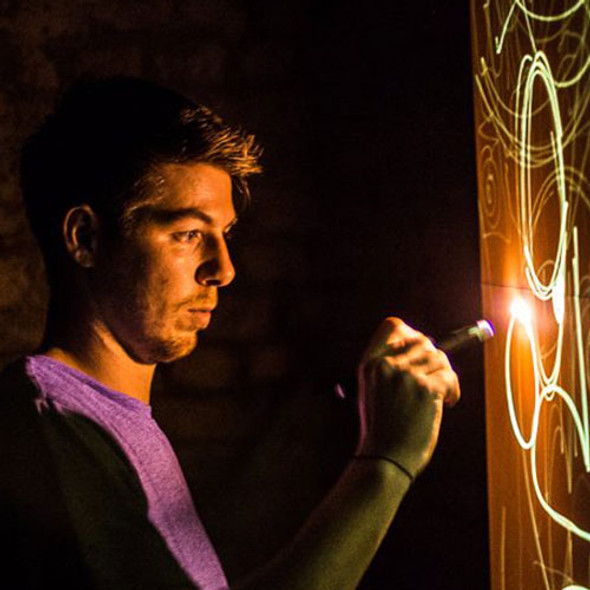
UV Laser Light Pen - 405nm
$8.95 - $349.50UV Laser Light Pen UV or black light laser beam pen to activate and quickly charge glow in the dark products such as glow powder, glow paint, t-shirts or painted walls. Attributes Batteries: Requires 2 AAA Batteries (not included - available...LGT-LSR-1MW$8.95 - $349.50 -
10-200 Watt OptionsWeatherproof
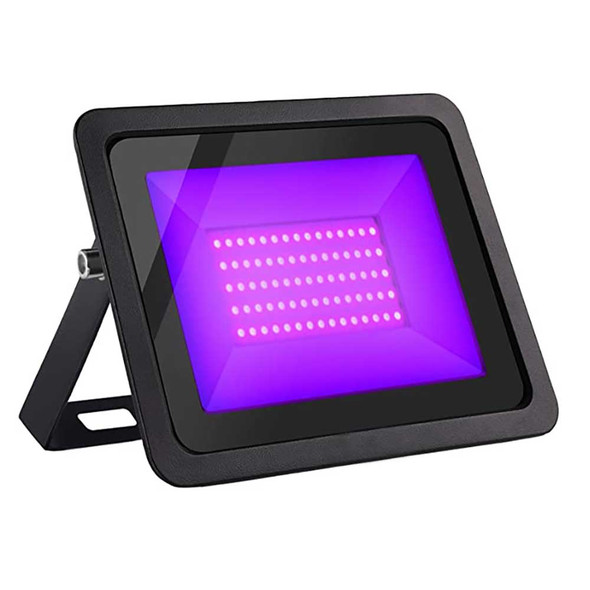
UV LED Flood Lights - 365nm
TechnoGlow
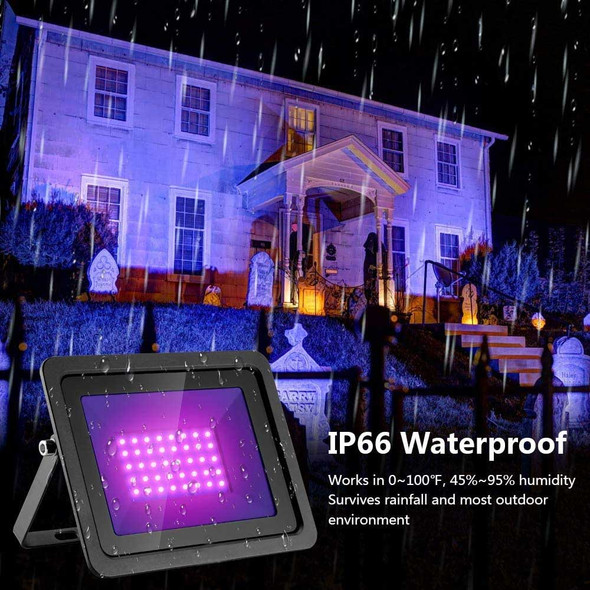
$19.95 - $139.95UV LED Flood Lights 365nm IP66 LED UV 365nm black lights suitable for both indoor and outdoor applications. Made with high-quality LED chips with an input voltage range of 85-265V. They can be either wall-mounted or securely placed on the floor. These...UVF-LED$19.95 - $139.95 -


LED Super Bright Flashlight
SkyWolfEye
$13.95 - $15.95This cost-effective flashlight is both powerful and compact, with the added bonus of being waterproof. It runs on a single 18650 rechargeable battery and its most notable feature is the 3-mode light option with adjustable focus. Whether you're using it...LGT-FLS-F$13.95 - $15.95 -


Invisible Ink Pen with UV Light
$2.25Write in invisible ink and read your words secretly under a UV black light with this Invisible Ink Pen with UV Light! The Ghost Writer has an invisible ink pen and built in UV light that lets you read the words on the page. Make secret notes! Keep a...LGT-INV-PEN$2.25 -
Out of stock

High Power UV Laser Light + Charger + 2 Batteries
$29.95One high power UV or black light laser beam with a 18650 battery charger and two 3.7v 18650 9900mah batteries. This laser pointer is driven by a high power flashlight battery. Enough power to have hours of fun leaving instant glow in the dark trails and...LGT-LSR-HKIT$29.95 -
Out of stock
High Power UV Laser Light 405nm - Adjustable
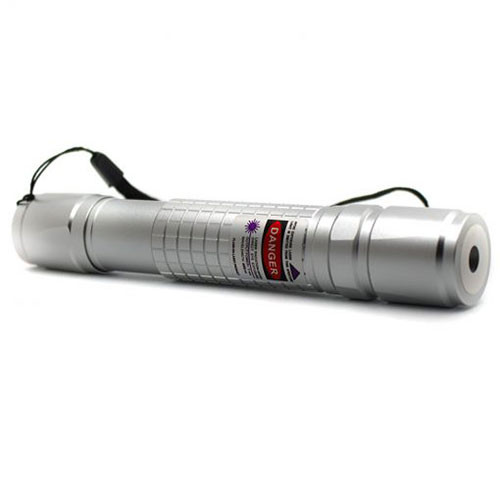
$19.95High power UV or black light laser beam laser. This laser pointer is driven by a 18650 3.7v battery with a high UV purple output light at 405nm. Enough power to have hours of fun leaving instant glow in the dark trails and drawings. It can also charge...LGT-LSR-PHPWR$19.95 -
Out of stock
Rechargeable UV Laser, 405nm with Starry Tip & USB Charge Cable
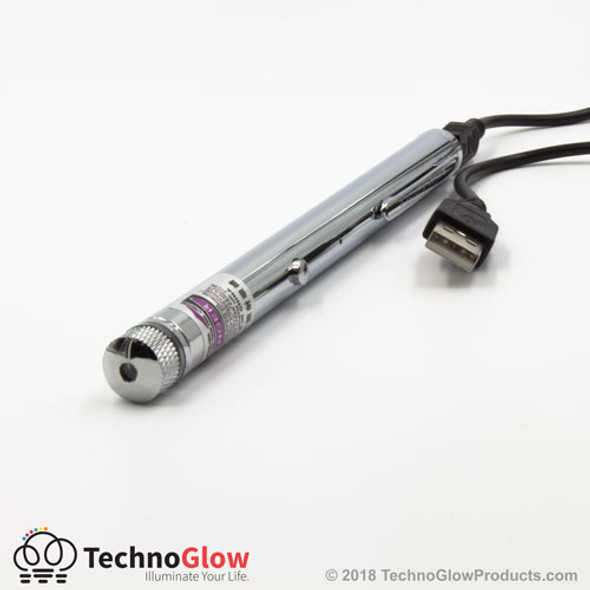
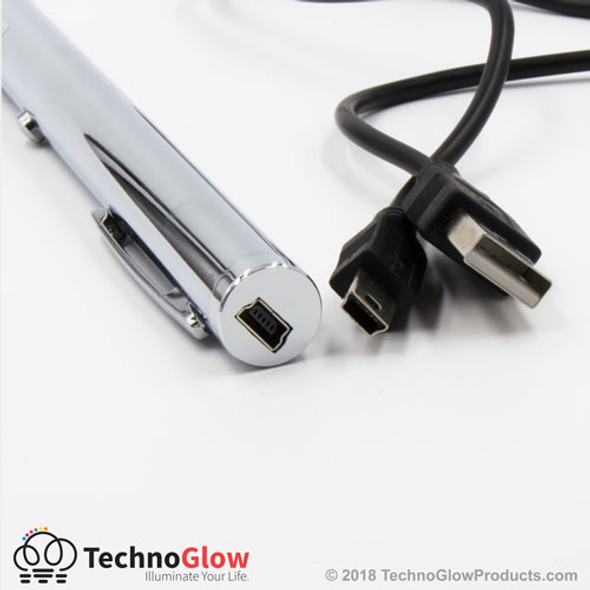
$35.95Rechargeable UV Laser A rechargeable UV laser is the newest hot item for charging up glow in the dark products. Included is a 1 meter USB charge cord and a removable starry tip. Create rotating designs or just point an intense UV dot without the tip...LGT-RCH-USB405$35.95