
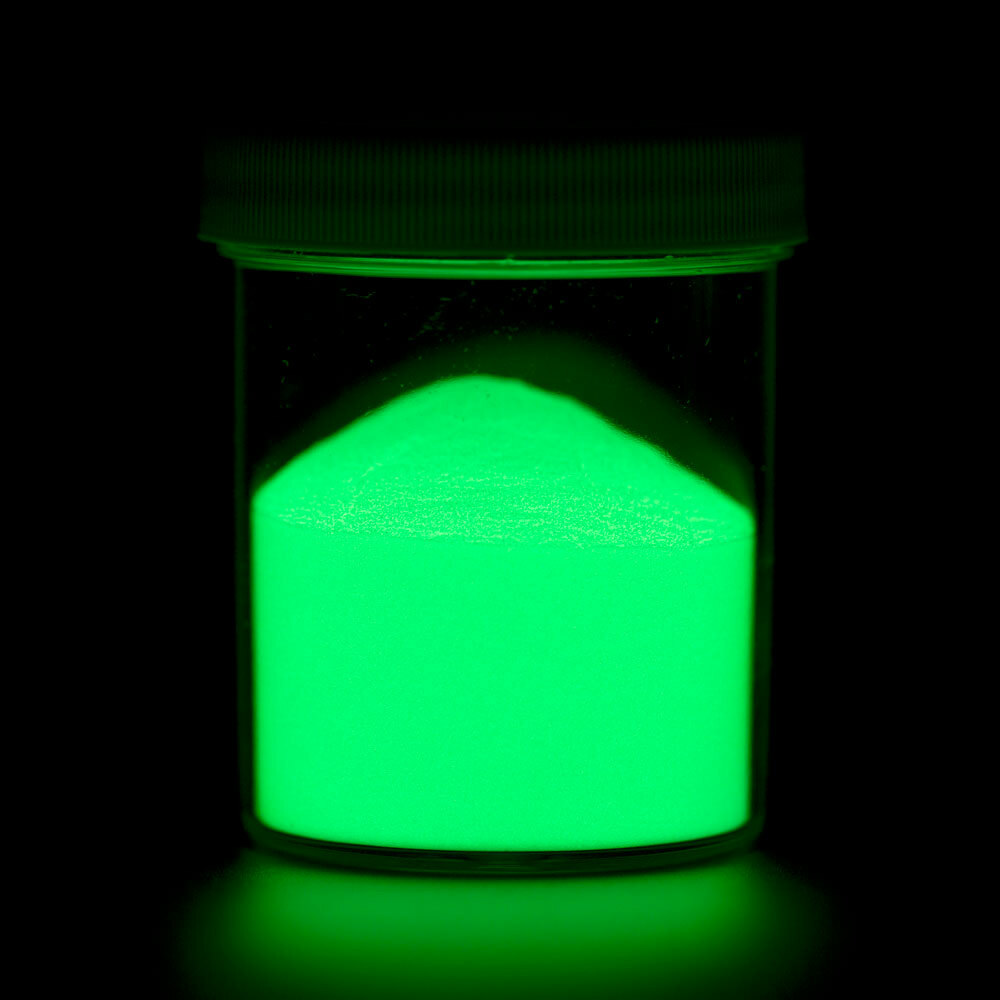
Green Glow in the Dark Powder

-
Ultra Glow 50 Microns#1 Choice Glow
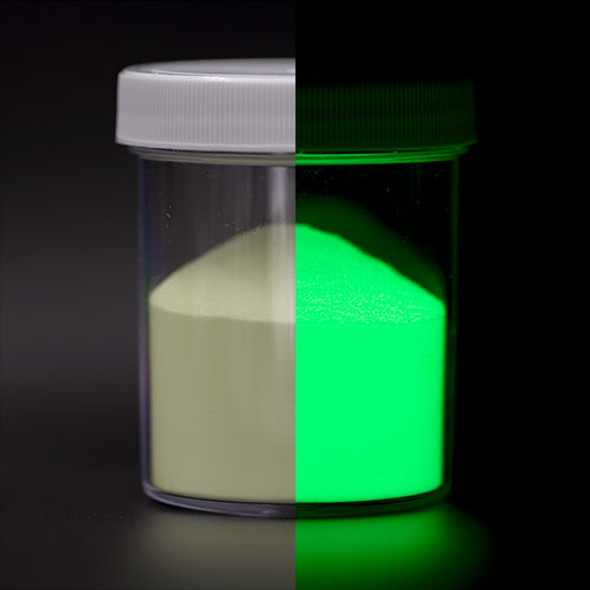

Green Glow in the Dark Powder, #1 Choice Glow
TechnoGlow
$6.00 - $180.00ULTRA GLOW Green Glow in the Dark Powder The brightest and best glow powder for a medium particle size pigment! Our 50 micron green glow in the dark powder is an ultra-premium glow in the dark pigment. After being exposed to artificial or sun light for...P02-GRN-M$6.00 - $180.00 -
On Sale


27 Glow Powder Sample Kit + UV Laser Light
TechnoGlow
Now: $99.99Was: $145.0027 Glow in the Dark Powders with a UV Laser Pen Planning a project with glow-in-the-dark pigments but not sure where to begin? Included is a variety of 27 individually labeled 10-gram samples, as well as a UV laser pen with batteries. Ships in a rigid...TGP-SMP-KITNow: $99.99Was: $145.00 -
Ultra Glow 50 Microns
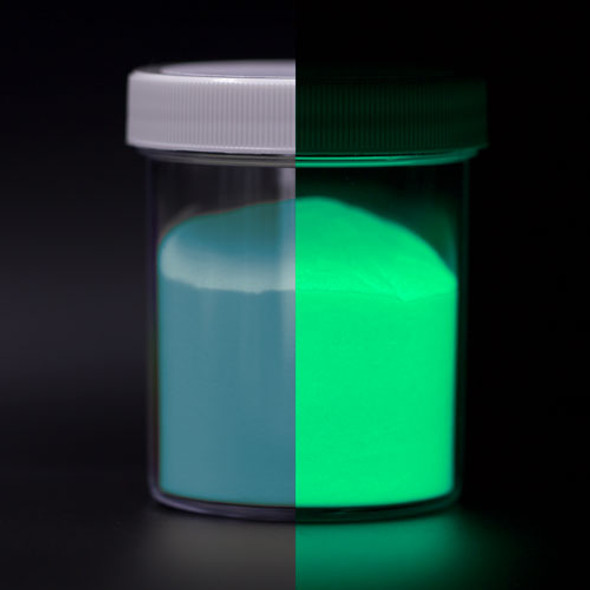
Blue to Green Glow in the Dark & UV Powder
TechnoGlow
$6.00 - $180.00Blue to Green Glow in the Dark & UV Powder Pigment A dazzling fluorescent blue daytime color contrasted with a captivating sea-foam green glow. Provides high visibility day and night 50 micron is perfect for most uses Glows for over 8...P03-BGN-M$6.00 - $180.00 -
Ultra Glow 50 Microns
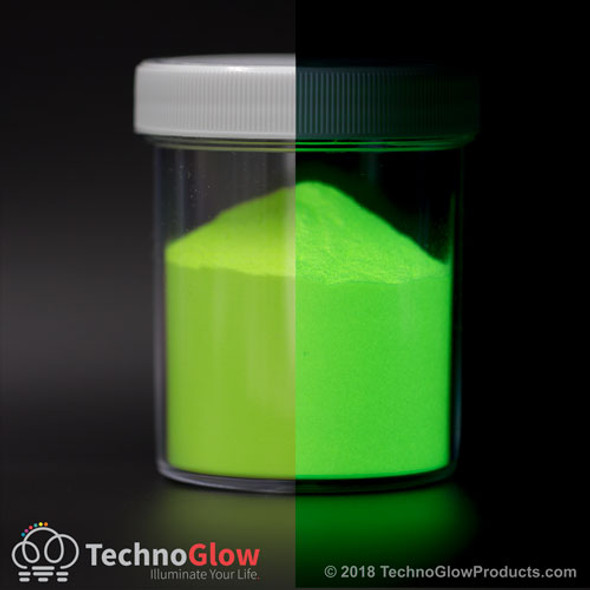

Chartreuse Glow Powder
TechnoGlow
$6.00 - $180.00ULTRA GLOW Chartreuse Daytime, Yellow Green Night Glow in the Dark Powder Vibrant and eye catching 50 micron is perfect for most uses Glows for over 8 hours Mixes well with paint, resin and epoxy Will last 20 to 30 years Does not contain...P01-CHA-M$6.00 - $180.00 -
Ultra Glow 50 Microns
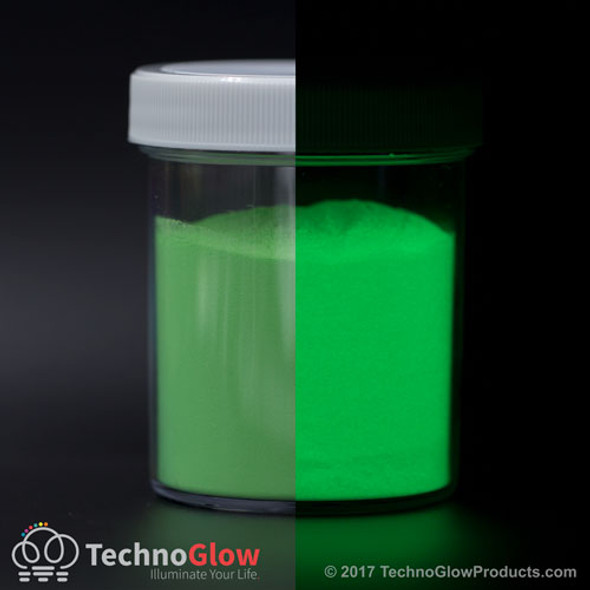
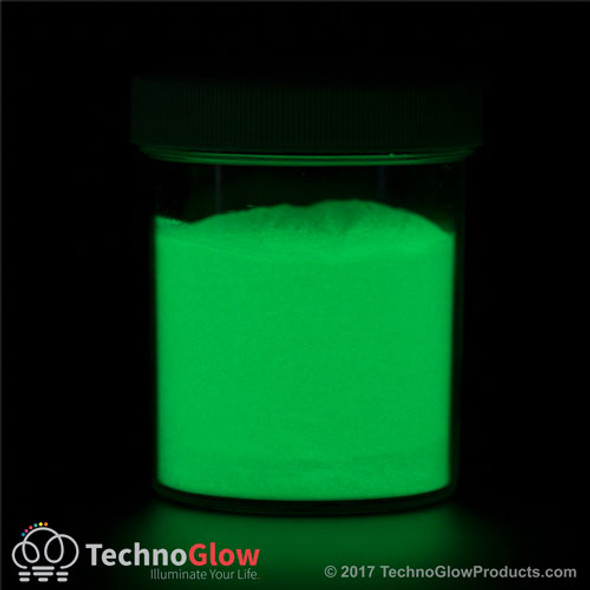
Fluorescent Green Glow Powder
TechnoGlow
$6.00 - $180.00ULTRA GLOW Fluorescent Green Daytime, Green Night Glow in the Dark Powder Provides high visibility day and night 50 micron is perfect for most uses Glows up to 8 hours Mixes well with paint, resin and epoxy Will last 20 to 30 years Does not...P03-GRN-M$6.00 - $180.00 -
Ultra Glow 50 Microns
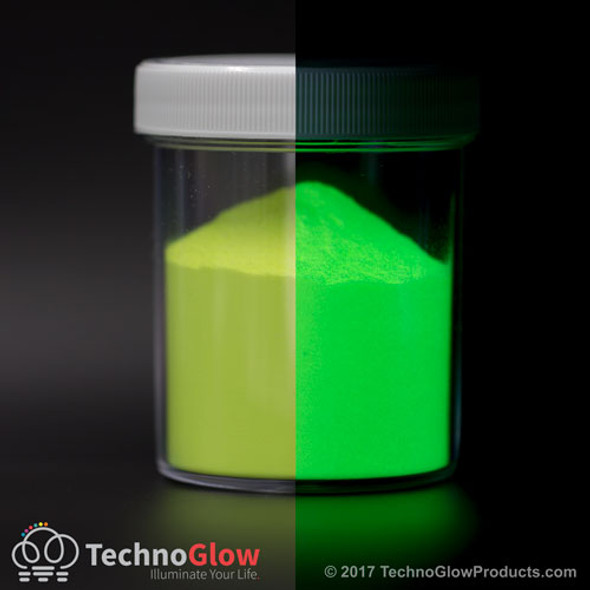

Fluorescent Yellow Green Glow in the Dark & UV Powder
TechnoGlow
$6.00 - $180.00Neon Yellow Daytime, Green Night Glow Pigment Provides high visibility day and night 50 micron is perfect for most uses Glows for over 8 hours Mixes well with paint, resin and epoxy Will last 20 to 30 years Does not contain formaldehyde Mark...P01-YLW-M$6.00 - $180.00 -
Ultra Glow 50 MicronsWaterproof


Green Glow in the Dark & UV Powder 50 Microns Waterproof
TechnoGlow
$6.00 - $180.00Green Night Glow Waterproof Pigment Off white daytime and green nighttime 50 micron is perfect for most uses Glows for over 12 hours Mixes well with paint, resin and epoxy Will last 20 to 30 years Does not contain...PEN-GRN-M$6.00 - $180.00 -
Standard Glow 35 MicronsWaterproof


Green Glow in the Dark & UV Powder 35 Microns Waterproof
TechnoGlow
$4.50 - $125.00Our green 35 micron is our finest encapsulated (waterproof) pigment. Great for water based mediums that require a smoother finish! Ideal for acrylic mediums such as water based airbrush paints, nail polishes that requires a smooth top coat finish. While...PEN-GRN-S$4.50 - $125.00 -
Standard Glow 35 Microns


Fluorescent Yellow Green Glow in the Dark & UV Powder 35 Microns
TechnoGlow
$4.50 - $125.00Vibrant and eye-catching! Fluorescent neon yellow pigment is part of our economical pigment line. Highly visible in daylight, similar to the neon yellow you see on construction safety vests. In the dark it illuminates in yellow-green hues that command a...P03-YLW-S$4.50 - $125.00 -
Standard Glow 85 MicronsWaterproof


Green Glow in the Dark & UV Powder 85 Microns Waterproof
TechnoGlow
$4.50 - $125.00Our largest micron size encapsulated (waterproof) green glow in the dark pigment. This 85 micron pigment is great for water-based mediums such as acrylic paints, glazes, or silicone sealers. Ideal for application with a brush or roller. Too large of a...PEN-GRN-L$4.50 - $125.00 -
Specialty Glow 35 Microns

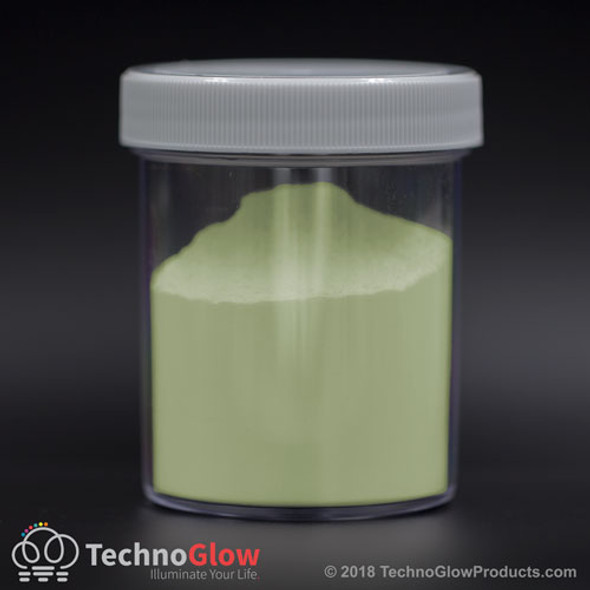
Green Glow in the Dark & UV Powder - Zinc Sulfide
TechnoGlow
$4.50 - $125.00The first generation of glow powder zinc sulfide has been widely used for many decades from making glow in the dark toys, novelties, body paint, soaps etc. It has a quick charge under any UV light source and glows for just under an hour. It can be...PZ3-GRN-S$4.50 - $125.00 -
Specialty Glow 35 Microns
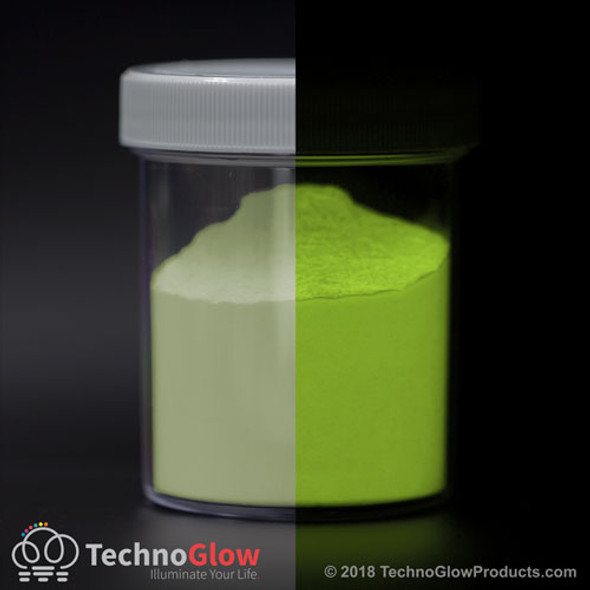

Lemon Glow in the Dark & UV Powder - Zinc Sulfide
TechnoGlow
$4.50 - $125.00The first generation of glow pigment zinc sulfide has been widely used for many decades from making glow in the dark toys, novelties, body paint, soaps etc. It has a quick charge under any UV light source and glows for just under an hour. It can be...PZ3-LMN-S$4.50 - $125.00 -
Specialty Glow 15 Microns

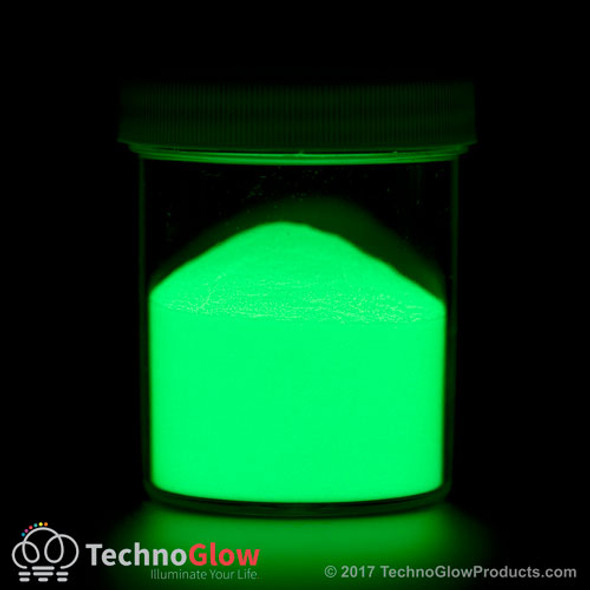
Green Glow in the Dark & UV Powder 15 Microns Finest
TechnoGlow
$6.00 - $180.00Our green 15 micron pigment is our finest, green glow in the dark pigment. The consistency is that of a cake batter or flour. When pinched between your fingers it tends not to free fall like our 50 microns and higher pigments. It's color in daytime...P02-GRN-F$6.00 - $180.00 -
Specialty Glow 100 Microns

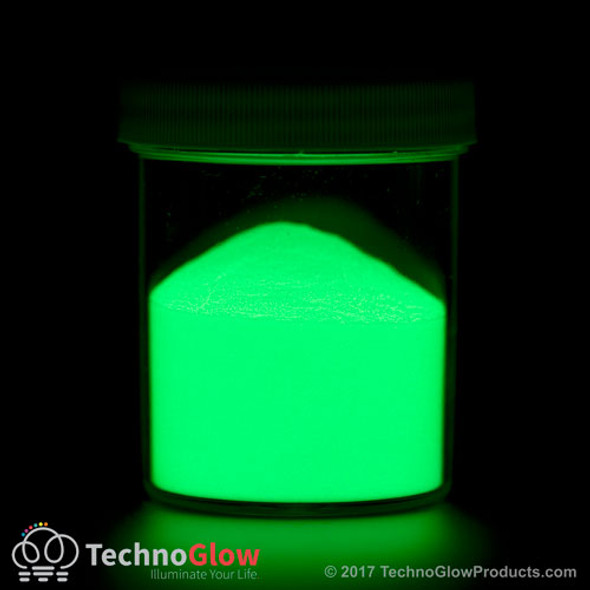
Green Glow in the Dark & UV Powder 100 Microns
TechnoGlow
$6.00 - $180.00This 100 microns green pigment is a great choice for anyone that wants a more intense glow that last all night long. It is a more coarse pigment, almost like a fine sand. It is a light-green color in normal daylight. Ideal for acrylic paints, resins,...P02-GRN-L$6.00 - $180.00 -
Specialty Glow 150 Microns
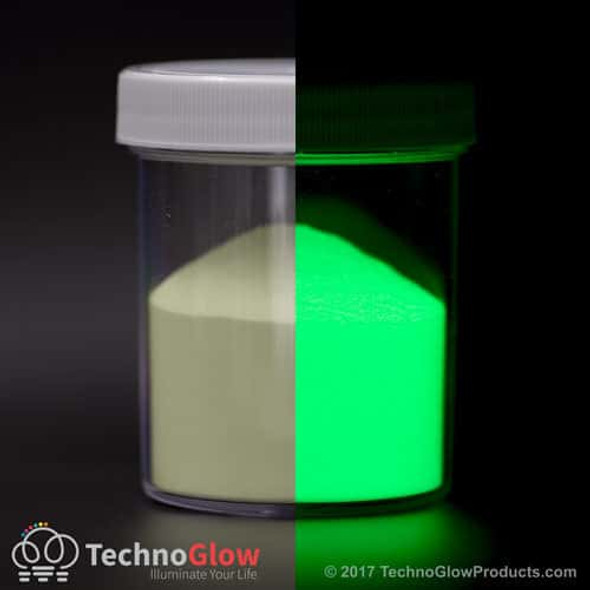

Green Glow in the Dark & UV Powder 150 Microns
TechnoGlow
$6.00 - $180.00This 150 microns green pigment is a great choice for anyone that wants a more intense glow that last all night long. It is a more coarse pigment, almost like a fine sand. It has the longest glow duration of any glow pigment this size and is a light-green...P02-GRN-X$6.00 - $180.00 -
Specialty Glow 500 Microns


Green Glow in the Dark Sand, 500 Microns for Flooring & Cement Sealers
TechnoGlow
$8.00 - $210.00500 Microns Green glow in the dark sand. • Largest particle size green• Brightest and longest lasting glow pigment• Ideal for use with epoxies and resins• Mix with transparent outdoor epoxies and concrete sealers to create glow in...P02-GRN-3X$8.00 - $210.00 -
Specialty Glow 150-500 Microns


Glow Powder Coarse Kit + UV Light
TechnoGlow
$28.00 - $248.00This performance sample pack features our top three most popular glow in the dark colors in their largest available micron size. A larger micron size means a larger pigment particle which is capable of storing more light energy. Because it can store more...TGP-KIT-GPC$28.00 - $248.00 -
On Sale
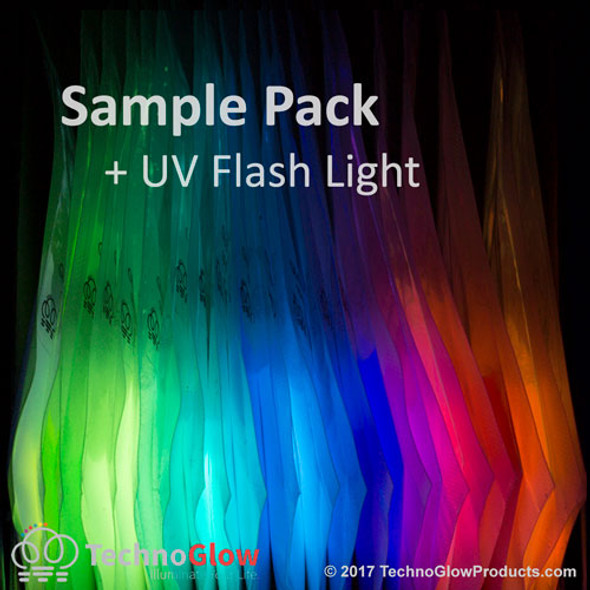

23 Color Glow Powder Sample Kit + UV Flashlight
TechnoGlow
Now: $89.99Was: $120.0023 Glow in the Dark Powders with a UV Flashlight Planning a project with glow-in-the-dark pigments but not sure where to begin? Included is a variety of 23 individually labeled 10-gram samples, as well as a UV flashlight. Ships in a rigid box with...TGP-SMP-KITFLNow: $89.99Was: $120.00